
A successful gel manicure begins before the first coat of colour is applied. Product quality and application technique are important, but the consultation stage often determines how well the manicure performs in everyday life. Every client uses their hands differently, and those habits can affect adhesion, wear time, colour choice and maintenance needs.
A lifestyle-based consultation helps the technician understand the client’s routine, work environment and expectations. This makes it easier to choose suitable products, adjust preparation and create a manicure that is both attractive and practical.
Why Lifestyle Matters in Nail Services
Two clients may request the same colour but need different application methods. One may work at a desk with limited exposure to water or physical pressure. Another may work in healthcare, catering, cleaning or manual labour, where the nails experience frequent washing and contact with hard surfaces.
Gardening, swimming, typing, exercise and cleaning can also influence wear. By understanding these activities, the technician can make better decisions about nail length, shape, preparation and finishing products.
Ask About Work and Daily Routine
Simple questions can reveal useful information without making the consultation complicated. A technician may ask whether the client works with water, wears gloves, types frequently or handles equipment.
It is also helpful to discuss hobbies and home routines. A client who regularly handles boxes, tools or gym equipment may benefit from shorter nails with a rounded or soft-square shape. Someone with a lighter hand may be comfortable with a longer or more decorative style.
The consultation should go beyond colour selection and consider how the manicure will be used after the client leaves the salon.
Review Previous Manicure Problems
A client’s experience with gel manicures provides valuable clues. The technician should ask whether previous treatments chipped, lifted, cracked or peeled, and how quickly those problems appeared.
Lifting near the cuticle may suggest incomplete preparation or product contact with the skin. Chipping at the free edge may be linked to repeated impact, excessive length or poor sealing. Peeling across the nail plate may indicate an adhesion issue or an unsuitable product combination.
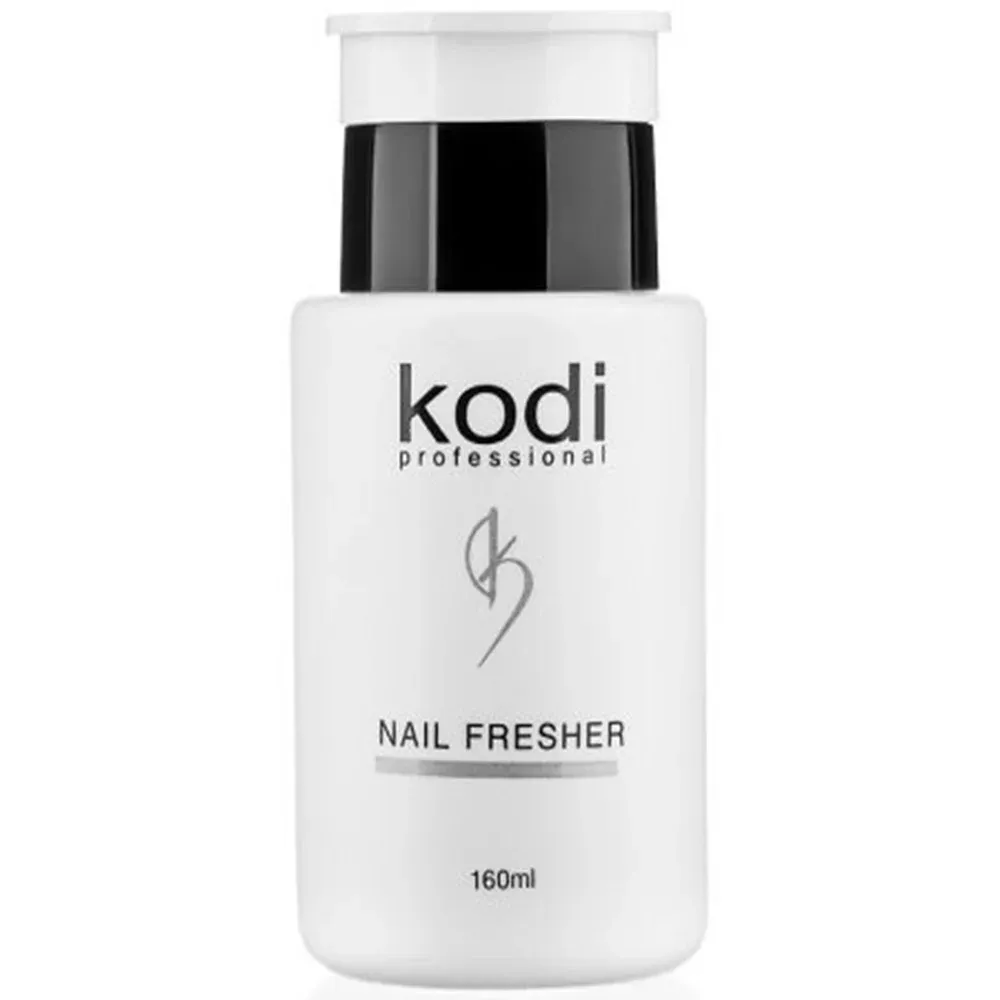
This information allows the technician to adjust the process rather than repeat the same method. Products such as Kodi Professional Nail Fresher may be considered during preparation when additional cleansing and moisture control are needed. Correct application and product sequencing, however, remain essential.
Match Colour Choices to Practical Needs
Colour is not only a style decision. Work requirements, maintenance frequency and personal preferences should also be considered.
Clients who cannot attend appointments regularly may prefer nude, sheer or softly blended shades because regrowth is less noticeable. Those working in conservative environments may choose neutral tones, while clients in creative roles may enjoy bold shades, metallic finishes or nail art.
Kodi Professional Gel Polish can form part of a wider colour-planning discussion. The technician should explain how shade depth, transparency and finish can affect the visibility of regrowth, scratches and minor surface wear.
Adapt Preparation to the Natural Nail
A lifestyle consultation should be combined with an assessment of the natural nail. The technician should examine flexibility, surface condition, oiliness, dryness and signs of previous damage.
Thin or flexible nails may require a different base approach from strong, rigid nails. Oily nail plates may need careful cleansing, while dry or over-filed nails should not be subjected to aggressive preparation.
The aim is not to use the strongest method for every client. It is to choose the least aggressive process that still provides reliable adhesion. Excessive filing or unnecessary dehydration may weaken the natural nail instead of improving the manicure.
Set Realistic Expectations
Even a well-applied gel manicure has limits. Clients should understand that gel products support normal wear but cannot prevent damage caused by repeated impact, picking or using the nails as tools.
Aftercare advice should include wearing gloves during cleaning, avoiding harsh chemicals and never peeling away lifted product. The technician should also recommend a realistic maintenance schedule based on nail growth and daily hand use.
Keep Notes for Future Appointments
Recording consultation details can improve consistency. Notes may include the client’s occupation, preferred shape, previous lifting areas, preparation method, products used and appointment interval.
At the next visit, the technician can review how the manicure was performed and make small adjustments. This creates a more reliable service over time.
Conclusion
Lifestyle-based consultations help technicians create manicures that suit real routines rather than relying on one method for every client. By discussing work, hobbies, past problems, colour preferences and maintenance habits, professionals can make better decisions about preparation, shape and product application.
Nail technicians looking to explore preparation and gel colour options can review the range available at kodiprofessional.com. The best results come from combining suitable products with careful assessment, accurate technique and realistic client guidance.